
Table of Contents
Spain’s vibrant culture is best experienced not only through its art, music, and history but also through its food. And nothing embodies Spanish culinary tradition better than tapas — those small, flavorful dishes shared among friends, paired with wine or sangria, and served in lively bars from Madrid to Málaga. Exploring tapas is more than just eating; it’s a journey into Spain’s social heartbeat and regional diversity.
Experience the true flavor of Spain by tasting tapas in Spain, where each bite tells a story of culture and tradition. From sizzling garlic prawns to rich Iberian ham and patatas bravas, Spanish tapas offer an unforgettable journey through regional cuisine, perfect for sharing and savoring with friends.
What Are Tapas?
The word tapas comes from the Spanish verb tapar, meaning “to cover.” The term originates from a centuries-old custom of covering wine glasses with small plates of bread or cured ham to keep out flies. Over time, these “lids” evolved into bite-sized appetizers served with drinks. Today, tapas are a cornerstone of Spanish dining culture, turning an ordinary meal into a social event filled with conversation, laughter, and variety.
Tapas can be cold — like olives, cured meats, or cheese — or hot, such as sizzling garlic shrimp (gambas al ajillo) and crispy croquettes (croquetas). The beauty of tapas lies in their diversity: you can taste a dozen dishes in one sitting, sampling the best of Spanish flavors without committing to one entrée.
Regional Tapas Traditions
Each region in Spain has its own interpretation of tapas, reflecting local ingredients, climate, and history.
- Andalusia: Often credited as the birthplace of tapas, Andalusia’s tapas bars are legendary. Try salmorejo (a thick tomato soup from Córdoba), jamón ibérico, and boquerones (marinated anchovies). The city of Granada is famous for offering a free tapa with every drink — a tradition that makes bar-hopping an adventure in itself.
- Madrid: The capital’s tapas scene is fast-paced and vibrant. Classic dishes include patatas bravas (fried potatoes with spicy sauce), callos a la madrileña (tripe stew), and tortilla española, the beloved Spanish omelet. In Madrid, locals move from bar to bar — a ritual called tapeo — sampling a new dish and drink at each stop.
- Basque Country: Known as pintxos (pronounced “pinchos”), these tapas are typically served on small slices of bread and skewered with a toothpick. The bars of San Sebastián are world-famous for their creative pintxos, ranging from traditional cod to avant-garde combinations of foie gras and apple purée.
- Catalonia: Barcelona’s tapas blend Mediterranean flair with Catalan creativity. Popular bites include pa amb tomàquet (bread rubbed with tomato and olive oil), bombas (meat-filled potato balls), and seafood specialties inspired by the nearby coast.
The Tapas Experience
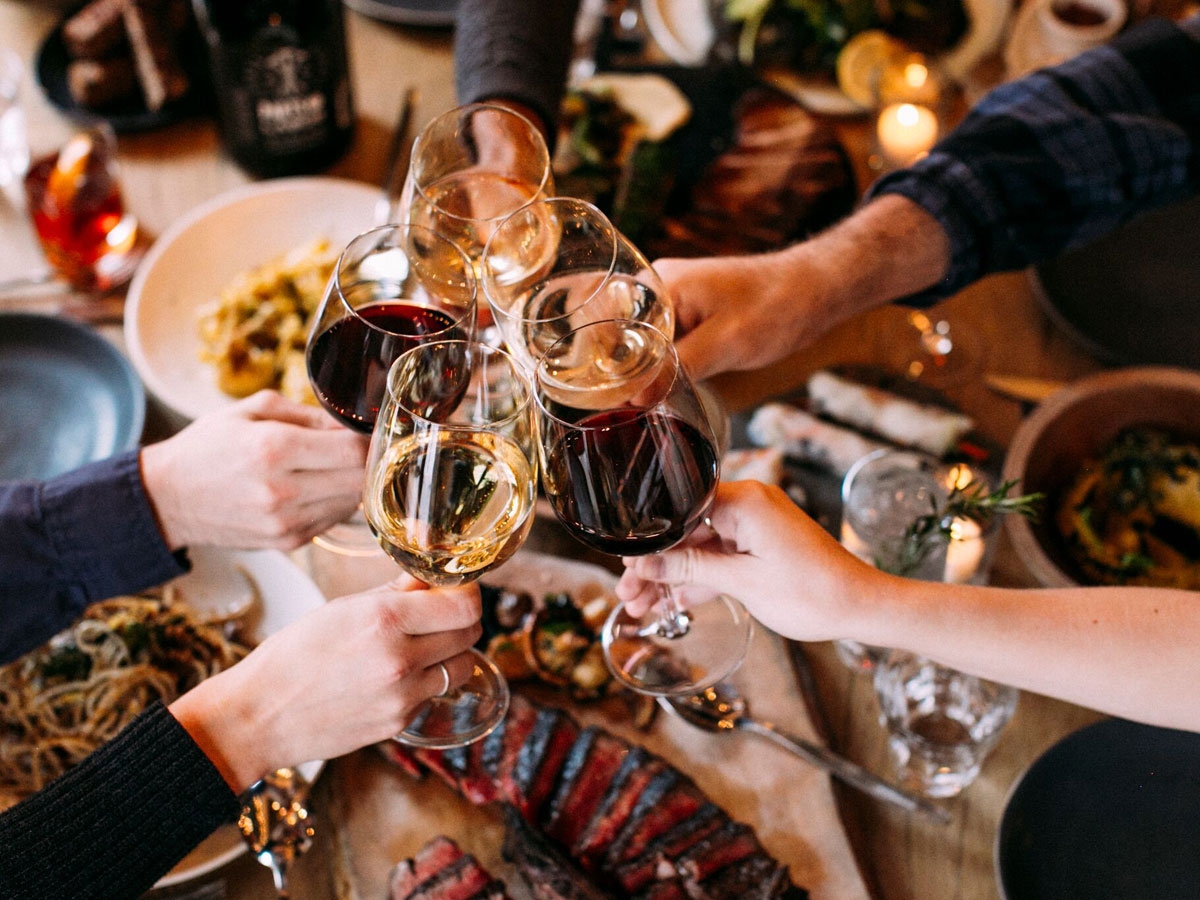
Eating tapas in Spain is as much about socializing as it is about the food. Locals rarely sit down for a formal meal when they go out for tapas — instead, they stand around high tables, chatting, sipping, and sharing dishes. This communal style of dining captures Spain’s lively, inclusive spirit.
Here’s how to experience tapas like a true Spaniard:
- Go bar-hopping: Don’t stay in one place. Each bar specializes in a few standout dishes, so move around and sample.
- Order slowly: Tapas are meant to be savored. Start with a drink, try one or two dishes, and then decide what’s next.
- Pair with local drinks: Try tinto de verano (red wine with soda), vermouth on tap, or a refreshing caña (small beer).
- Share everything: Tapas are designed for sharing — one plate, many forks, endless conversation.
Must-Try Tapas Dishes
If you’re new to the world of tapas, here are some iconic dishes to begin your journey:
- Patatas Bravas: Crispy potatoes topped with spicy tomato sauce and aioli — a must-have in any tapas bar.
- Gambas al Ajillo: Shrimp sautéed in olive oil, garlic, and chili, served sizzling in clay pots.
- Jamón Ibérico: Cured Iberian ham — delicate, nutty, and a true taste of Spain’s culinary heritage.
- Croquetas: Creamy béchamel croquettes filled with ham, chicken, or mushrooms.
- Chorizo al Vino: Spicy sausage cooked in red wine, bold and rich in flavor.
- Pimientos de Padrón: Small green peppers — some mild, some fiery — grilled and sprinkled with sea salt.
Best Places to Taste Tapas
- Madrid: Explore La Latina and Barrio de Las Letras for authentic tapas and bustling local vibes.
- Seville: Wander through Triana or Santa Cruz districts for classic Andalusian dishes.
- San Sebastián: Visit Parte Vieja (Old Town) for innovative pintxos served in elegant bars.
- Barcelona: Head to El Born or Gràcia for modern tapas paired with local Catalan wines.
No matter where you go, you’ll find that tapas are more than just food — they are a cultural expression of hospitality and joy.
Final Thoughts
Tasting tapas in Spain is an experience that connects you to the country’s essence — its warmth, creativity, and passion for life. From a simple plate of olives to a sophisticated pintxo, every bite tells a story. Whether you’re sharing tapas in a bustling Madrid bar or by the seaside in Barcelona, you’ll discover that Spain’s small plates deliver big memories.
So, next time you find yourself in Spain, forget the formal dining plans — wander, taste, sip, and share. Because in Spain, life truly tastes better in small bites.